Estimated reading time: 13 min 41 sec.
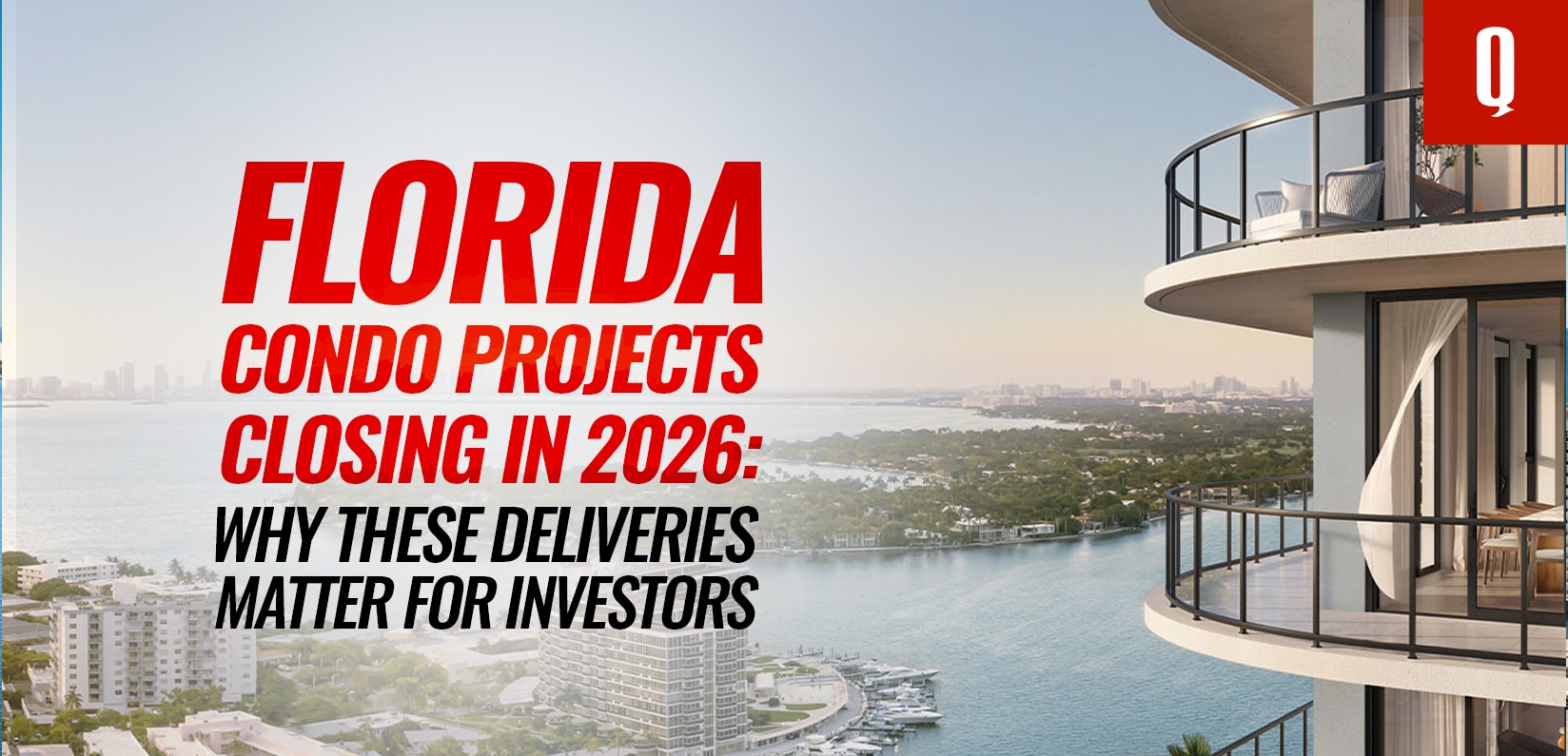
Walk into a pre-construction sales center in Brickell or Edgewater today, and you’ll notice something quickly: the conversations happening across the room aren’t in one language, and the buyers signing contracts aren’t shopping for a vacation home. They’re moving capital. For a growing share of Latin America’s business owners, professionals, and families, a pre-construction unit in Miami isn’t just real estate. It’s a financial strategy.
This is the story behind that strategy: who’s actually buying pre-construction in Miami right now, why real estate has become the preferred vehicle for protecting wealth across the region, and what it means for realtors and investors positioned to serve this market.
Call it what industry analysts increasingly are: a great capital migration, a sustained, structural movement of Latin American wealth into U.S. dollar-denominated, hard assets. It isn’t driven by a single election cycle or currency shock. It’s the accumulation of years of instability across multiple countries at once, channeled into one of the few asset classes that offers both a tangible store of value and a livable, visitable, occasionally rentable outcome.
Table of Contents
The Numbers Behind the Migration
The scale of this capital flow is no longer a niche trend, it’s the dominant force shaping new construction sales across South Florida. According to a MIAMI Realtors international report covering an 18-month period through mid-2025, international buyers purchased 49% of new construction, pre-construction, and condo conversion units across South Florida, essentially splitting the market evenly with domestic buyers.
Within that international share, the concentration is striking: approximately 86% of those foreign purchases came from Latin American buyers. In some submarkets, the share is even more lopsided. International buyers in Downtown Miami were 99% Latin American. In Coconut Grove, 97%. In Southeast Broward, 84%. This isn’t a diversified international market with buyers arriving from dozens of regions in similar proportion, it’s a specific, concentrated capital migration from one part of the world.
Florida overall has held the position of the #1 U.S. destination for global real estate buyers for 16 consecutive years, and Miami itself ranked as the top U.S. market for international homebuyers, capturing roughly 10% of all international residential purchases nationwide. In dollar terms, foreign purchases in South Florida reached $4.4 billion in the most recent reporting period, up 42% year-over-year, with the region’s international buyer share of dollar volume running at roughly seven times the national average.
Who's Actually Signing the Contracts
The country-level data tells a clear story about where this capital is coming from. Colombia leads as the single largest source of international buyers, representing roughly 14% to 15% of foreign purchases. Argentina follows closely, and when measured by transaction volume rather than buyer count, Argentina and Colombia combined account for roughly 27% of all international closed sales in the market. Mexico, Brazil, and Venezuela round out the next tier of significant source countries, each contributing meaningful shares of the buyer pool.
Search activity data adds another layer to this picture: Colombia alone generates over 9% of all international property searches directed at Miami, more than any other country in the world.
It’s also worth noting how these buyers close. Roughly 51% of international transactions in the Miami market are all-cash, more than three times the typical cash share in a purely domestic transaction. That doesn’t mean financing is irrelevant to this buyer segment, quite the opposite. It means the buyers who do finance tend to be making a deliberate choice to preserve liquidity and diversify further, using leverage strategically rather than out of necessity, which is a very different financing conversation than the one realtors are used to having with a typical domestic buyer.
Two Distinct Buyer Profiles
Within this Latin American buyer pool, two fairly distinct profiles have emerged.
The first is the traditional profile: business owners and executives, typically between 35 and 60 years old, focused on international asset diversification and using dollar-denominated real estate as a currency hedge against volatility back home. This buyer has been active in Miami for years and tends to think in terms of multi-generational wealth preservation.
The second is newer and growing quickly: professionals in their 30s, often from upper-middle-class families, who are pursuing both investment returns and a degree of lifestyle anchoring, a foothold in the U.S. that supports future flexibility, whether that’s travel, education for their children, or an eventual partial relocation. This profile reflects a deepening of cross-border capital channels beyond the traditional high-net-worth buyer, and it’s expanding the addressable market for pre-construction product well beyond ultra-luxury price points.
This second profile is arguably the more important one for realtors to understand right now, because it’s the segment still growing. The traditional high-net-worth buyer has been active in Miami for decades and is a known quantity to most agents working this market. The younger, upper-middle-class professional buyer is newer, often making their first U.S. real estate purchase, and typically needs more guidance on everything from entity structuring to financing options than a repeat institutional-style buyer would.
Why Real Estate Has Become Latin America's Financial Refuge
Understanding the “why” behind this migration matters as much as the “who,” because it shapes how realtors and lenders should frame the opportunity.
Currency Protection Comes First
For most buyers in this segment, the primary motivation isn’t speculation, it’s protection. Converting capital into a dollar-denominated, physical asset provides immediate insulation against inflation and currency devaluation in their home country. When a peso, real, or bolívar loses value against the dollar, a Miami condo purchased years earlier doesn’t just hold its worth, it often appreciates in local-currency terms even if the U.S. dollar price stays flat.
Dollar-Denominated Income
Beyond simple asset protection, Miami’s rental market offers something increasingly rare for Latin American investors: steady income in a stable currency. Furnished condominiums in strong rental submarkets are generating annual yields in the range of 6% to 8%, on top of any appreciation, giving investors a source of hard-currency cash flow that isn’t available through most investment options in their home markets.
Tax Structure and Legal Protection
Florida’s lack of a state income tax is a meaningful draw relative to many Latin American countries with higher personal and capital gains tax burdens. Combined with the ability to hold property through an LLC or similar entity, separating personal assets from liability exposure, Florida offers a legal and tax environment that’s difficult to replicate closer to home.
Access to U.S. Financial Infrastructure
Owning U.S. real estate also opens the door to broader access: U.S. banking relationships, credit history, and financial infrastructure that can be difficult for foreign nationals to build without an anchor asset in the country. For many buyers, the property itself is the first step toward a longer-term financial relationship with the U.S. system.
Appreciation as a Secondary, Not Primary, Motivation
It’s worth being precise about ordering here, because it changes how realtors should pitch a project. For most of this buyer base, price appreciation is a welcome outcome, not the primary reason for the purchase. A buyer motivated first by currency protection is far less likely to panic-sell during a temporary market softening than one who bought purely for short-term gains, which is part of why this capital has proven remarkably durable across multiple U.S. real estate cycles, including periods when domestic buyer demand has cooled.
Where This Capital Is Landing
The geographic pattern of this buying activity isn’t random. Brickell and Downtown Miami remain the epicenter for luxury condo purchases, drawing the traditional high-net-worth buyer profile. Coral Gables and Coconut Grove attract buyers looking at single-family homes, often those further along in a relocation or lifestyle-anchoring journey. Aventura and North Miami Beach have become strongholds for mid-market condo buyers, reflecting the newer, younger professional buyer profile entering the market.
Pre-construction specifically has emerged as the fastest-growing channel within this migration. In some developments, Colombian buyers alone have represented 25% to 40% of preventa sales, a concentration that reflects both cultural familiarity, referral networks within Latin American buyer communities move quickly, and the payment structure pre-construction offers, which allows capital to be deployed gradually over the construction timeline rather than all at once.
The World Cup Effect
2026 has added an additional accelerant to this migration: the FIFA World Cup, hosted across the U.S. this summer with Miami as a major host city. Brokers report that while the tournament isn’t single-handedly driving new waves of investment, it is measurably accelerating decisions that were already in motion. Buyers already considering a purchase are using their trip to attend matches as the occasion to finally sign, and developers have leaned into the moment, offering World Cup ticket packages to contract signers and hosting watch parties at sales centers between games.
The tournament has brought an unusually large concentration of prospective Latin American and European buyers to Miami at once, with more downtime between matches than a typical vacation, giving many visitors extended time to tour properties they might otherwise have only researched from abroad. A weaker U.S. dollar during this window has further supported international purchasing power, compounding the effect.
What This Means for Realtors
For realtors, this data points to a clear strategic reality: the buyer walking into a pre-construction sales conversation in Miami today is increasingly likely to be thinking in terms of currency protection and portfolio diversification, not just square footage and finishes. Realtors who understand that framing, and who can speak to rental yield, entity structuring, and long-term dollar exposure alongside the usual property details, are better positioned to close with this buyer segment than those relying purely on lifestyle marketing.
Building genuine relationships within Latin American referral networks matters more here than in most segments of the market. A significant share of this buying activity moves through word of mouth and trusted introductions rather than cold outreach, which means realtors who invest in relationships with the accountants, attorneys, and financial advisors serving this community often see outsized returns on that effort.
What This Means for Investors and Developers
For investors evaluating pre-construction opportunities themselves, this migration pattern is worth watching as a demand signal. Projects and submarkets with strong existing traction among Latin American buyers tend to benefit from that same referral-driven momentum, supporting faster absorption and, often, more resilient pricing through a project’s sales cycle.
For developers and their financing partners, understanding this buyer’s specific needs, from entity structuring guidance to financing options that don’t require U.S. credit history, is no longer optional. It’s a core part of serving nearly half the new construction market in South Florida.
Reading the Signal Correctly
It’s worth flagging a common misread of this data: the presence of heavy Latin American buying activity in a submarket isn’t automatically a red flag for a domestic buyer weighing the same project, nor is it a guarantee of success for every project marketed toward this audience. Buyers in this segment are increasingly sophisticated, comparing developer track records, reserve fund health, and rental management options across competing projects, much like any other investor. A project earning a large share of this capital is usually doing so because it’s genuinely well positioned, not simply because it’s marketed in Spanish or Portuguese.
Financing the Migration
None of this capital migration works smoothly without financing structures built for exactly this buyer profile. Foreign national loan programs, entity-friendly closing structures, and lenders who understand how to verify income and assets sourced from abroad are what turn buyer interest into closed transactions. This is precisely where an experienced, bilingual financing partner becomes essential, not just for the buyer, but for the realtors and developers depending on that buyer to close.
Partner With QKapital to Serve This Market
The capital migration from Latin America into Miami real estate isn’t a passing trend, it’s a structural shift in how the region’s investors protect and grow wealth. QKapital works with realtors, developers, and international investors to structure financing that matches how this buyer actually operates, from foreign national loan programs to entity-based ownership structures.